
"I can't sleep," "I don't want to go out," "I can't concentrate on work" A survey was conducted on the impact of "autumn fatigue" on daily life, and the results were released
~What Was the No. 1 Strategy People Felt Was Right for Them?~
株式会社HOGUGUテクノロジーズ

HOGUGU Technologies Co., Ltd. (Headquarters: Osaka City, Osaka Prefecture;Representative Director: Kenichi Hanaoka; hereinafter “the Company”) has conducted a “Survey on Autumn Fatigue (※)” among friends of the “HOGUGU” official LINE account, timed to coincide with this season when summer fatigue tends to set in.
(*) In this survey, “autumn fatigue” is treated as a general term referring to physical discomfort—such as lethargy and exhaustion—experienced from late summer through fall due to factors including heat, summer fatigue, temperature fluctuations between morning and evening, and changes in atmospheric pressure. It does not refer to a medical diagnosis.
[Results Summary]
・68.8% of all respondents reported experiencing “autumn fatigue.”
The main symptoms were “physical lethargy,” “inability to shake off fatigue even after resting,” and “insomnia or poor sleep quality.”
・The top impacts on daily life were “lack of sleep” (41.8%), “not feeling like going out” (34.7%), and “inability to concentrate on work” (33.5%).
・The top countermeasure respondents felt suited them was massage and relaxation treatments.
Over 80% of those who have tried them reported that they “suit them,” surpassing bathing, staying warm, exercise, and stretching.
・Regarding willingness to use in-home relaxation services, 98.0% of those experiencing “autumn fatigue” (n=345) and 95.0% of those seeking to “maintain their physical condition” (n=151) responded affirmatively, indicating that both groups utilize relaxation services on a regular basis.
[Survey Background]
According to the Japan Meteorological Agency, the average temperature in Japan during the summer of 2026 (June–August) was the fifth highest on record since statistics began in 1898 (*1).Furthermore, during the summer of 2026 (June–August), a total of 36 locations recorded “extreme heat days” with temperatures of 40°C or higher (*2), marking the highest number since 2010 (*3).
It is expected that more people than usual will enter the fall this year without having fully recovered from the fatigue caused by this summer’s record-breaking heat.
Generally speaking, “autumn fatigue” is said to be triggered by accumulated summer fatigue, temperature fluctuations between morning and evening, and changes in atmospheric pressure. Therefore, our company conducted a survey to examine the reality of autumn fatigue and what types of care people are choosing to counter it.
(*1) Japan Meteorological Agency, “Long-Term Trends in Average Temperature Deviations (1898–2026)”
https://www.data.jma.go.jp/cpdinfo/temp/sum_jpn.html
(※2) Japan Meteorological Agency, “Locations Where Extreme Heat Days Were Observed in the Summer of 2026 (June–August)”
https://www.data.jma.go.jp/stats/stat/202615/amd_mxtem_ov40_202615.html
(※3) nippon.com “Japan Data,” September 2026 (report based on Japan Meteorological Agency data): “Average Temperature for Summer 2026 Ranks 5th Highest on Record; ‘Extreme Heat Days’ Also Reach Record High”
https://www.nippon.com/ja/japan-data/h02891/
[Survey Overview]
Survey Name: Questionnaire on Fall Health Issues
Survey Participants: Friends of the “Hogugu” official LINE account
Survey Period: September 13 (Sun) – September 15 (Tue), 2026
Survey Method: Questionnaire conducted via the “Hoggu” official LINE account
Number of Responses: 513
[Survey Results Details]
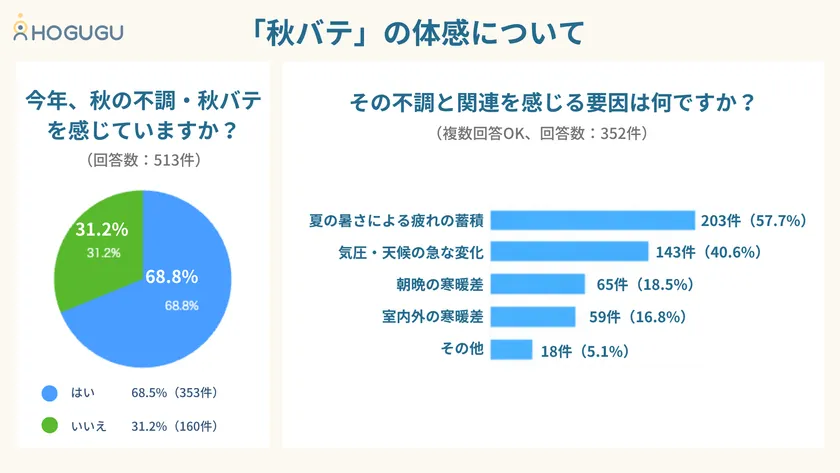
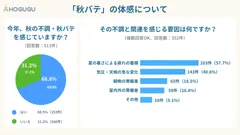
(1) 68.8% have experienced “autumn fatigue.” The main causes are “accumulated fatigue from summer” and “sudden changes in atmospheric pressure and weather.”
In response to the question, “Have you felt unwell or experienced ‘autumn fatigue’ this year?”, 68.8% (353 respondents) answered “Yes.”
The most commonly cited contributing factor was “accumulated fatigue from the summer heat” (57.7%), followed by “sudden changes in atmospheric pressure or weather” (40.6%), suggesting that “carryover fatigue” from the record-breaking late-summer heat is affecting people’s physical condition.
Perceived Symptoms of Autumn Fatigue
(2) Impact on Daily Life
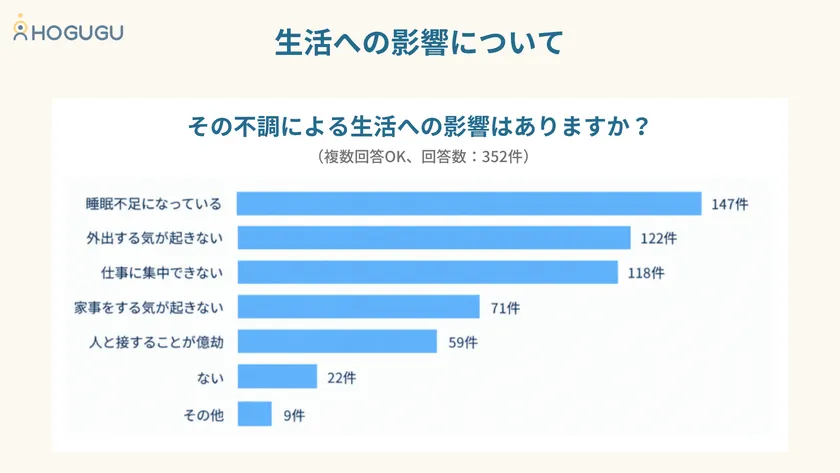
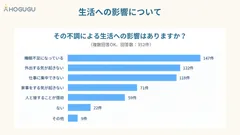
The top reported impacts on daily life were “lack of sleep” (41.8%), “not feeling like going out” (34.7%), and “inability to concentrate on work” (33.5%).
Impact on Daily Life
(3) Perceived Effectiveness of Measures Considered Suitable; Massage and Relaxation Treatments Ranked First
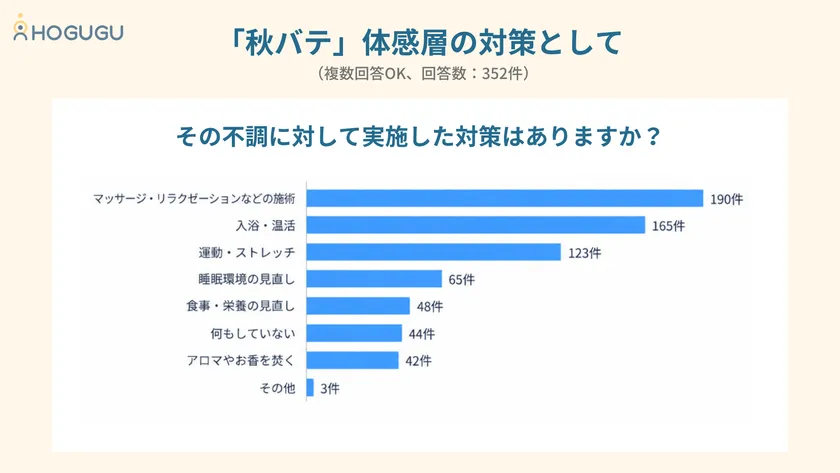
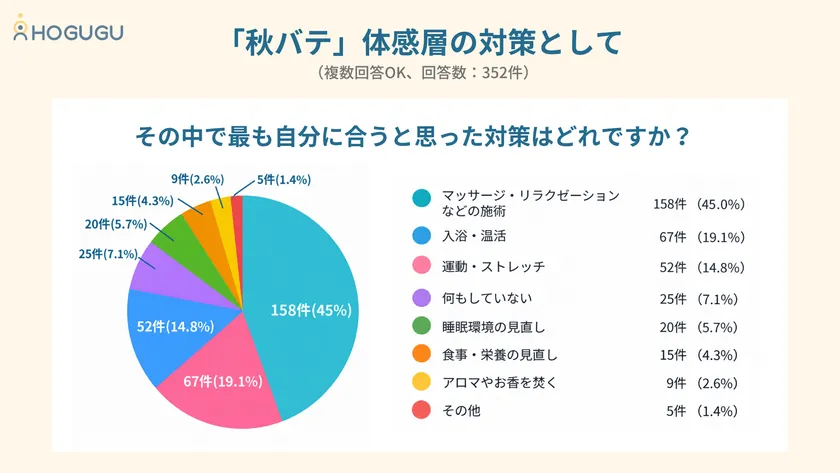
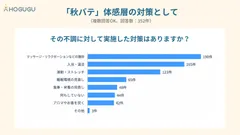
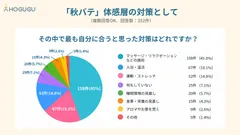
When respondents who reported experiencing autumn fatigue (353 people) were asked about the countermeasures they had taken, the most common response was “massage and relaxation treatments” (54.0%), which surpassed “bathing and staying warm” (46.9%).Furthermore, when looking at the percentage of respondents who felt a particular measure was “best suited for them,” over 83% of those who received treatments reported that they “suited them,” which was more than double the rate for the second-place category, “baths and staying warm” (40.6%).
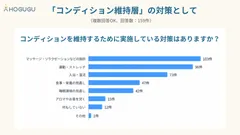
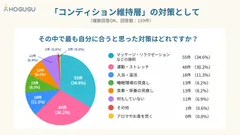
Furthermore, among the 159 people in the “condition maintenance group” who did not experience autumn fatigue, 64.8% (103 people) reported having undergone “massage, relaxation, or similar treatments.” When asked which of the measures they had taken they felt was “most suitable for them,” treatments again ranked highest at 34.6% (55 people).
These results indicate that massage and relaxation treatments are chosen not only by people experiencing health issues such as autumn fatigue but also as a measure to maintain physical condition even when feeling well, and that users are experiencing tangible benefits from them.
Countermeasures for Those Experiencing “Autumn Fatigue” (1)
Measures for those experiencing “autumn fatigue” (2)
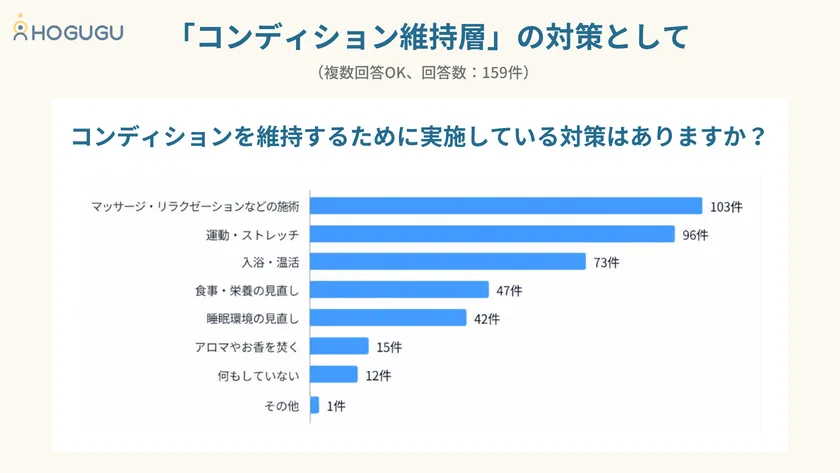
Measures for those maintaining their physical condition (1)
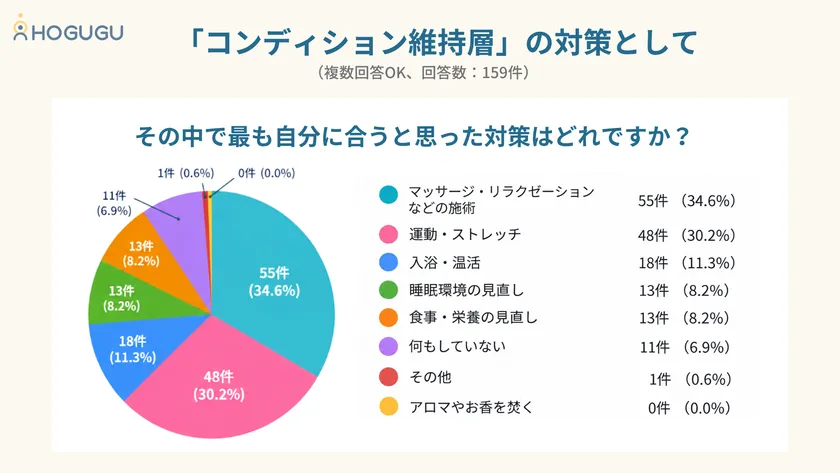
Measures for the “Condition Maintenance” Group (2)
[Reasons Why “Hoggu” Is Chosen]
Amid these trends, data also shows that people are enthusiastic about on-site relaxation services.
Among those who are aware of autumn fatigue, 98.0% (345 respondents) answered that they “are using the service or would like to use it.”Meanwhile, even among the “condition maintenance group”—those who do not experience autumn fatigue—95.0% (151 respondents) gave the same answer, suggesting that on-site relaxation services are being accepted not only when people feel unwell but also as an option for maintaining their daily well-being.
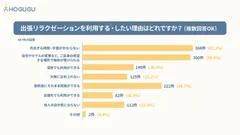
The top reasons for using or wanting to use on-site relaxation services were “It saves time and effort going out” (304 responses),“I can receive treatment at my preferred location, such as my home or a hotel” (300 responses), and “I can go straight to sleep after the treatment” (222 responses). This suggests that its popularity across a wide range of demographics stems from the fact that it can be seamlessly incorporated into daily routines, rather than being viewed as a special, out-of-the-ordinary experience.
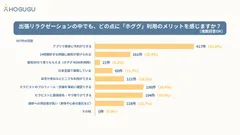
Among these, the most frequently cited benefit of using “Hoggu” was “easy booking via the app” (417 responses).This was followed by “Being able to check therapists’ profiles and ratings in advance” (196 responses) and “Being able to directly request a specific therapist and communicate with them” (194 responses). This indicates that, in addition to the ease of booking, users appreciate the system that allows them to make a choice with confidence, even when using the service for the first time.
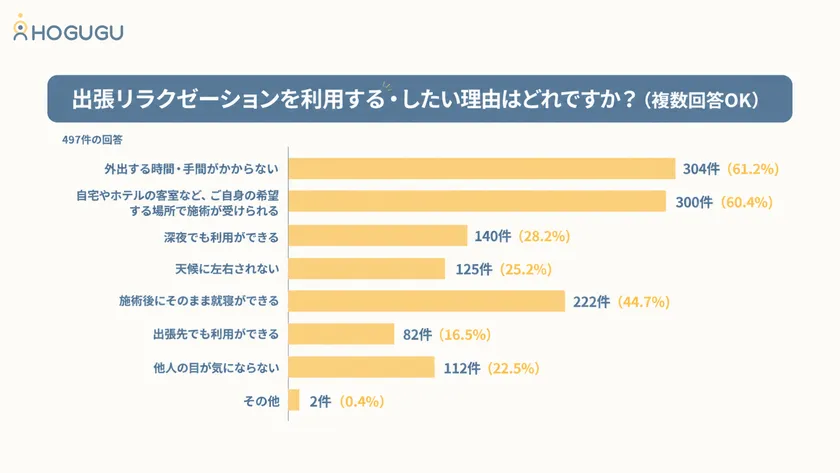
Reasons for Using or Wanting to Use In-Home Relaxation Services
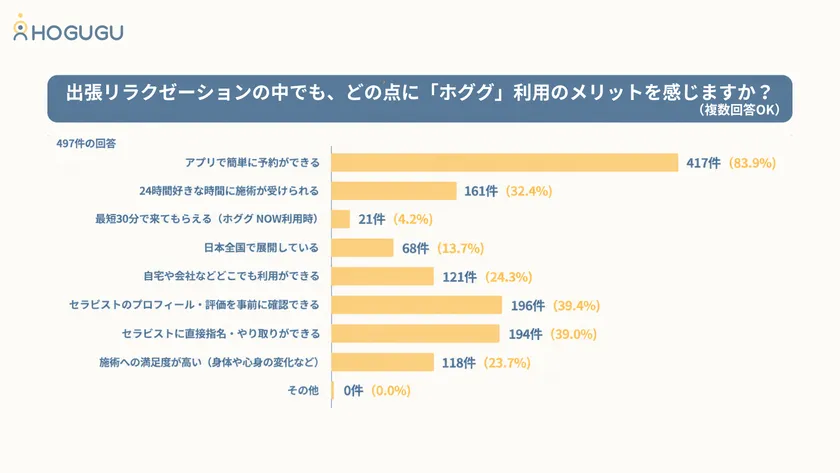
Benefits of Using Hoggu
[Comment from Kenichi Hanaoka, CEO]
In this survey, we received many responses from people who do not feel the effects of “autumn fatigue” indicating that they either use or would like to use in-home relaxation services. We feel there is still more we can do to provide options for maintaining daily well-being.
Even amidst a busy daily schedule, users can receive treatment from a therapist who suits them without the hassle of traveling, and then relax right there. While delivering the unique benefits of in-home relaxation services, we aim to provide a service that makes it easy to incorporate time for self-care into daily life.
[About the In-Home Relaxation Service “Hogugu”]
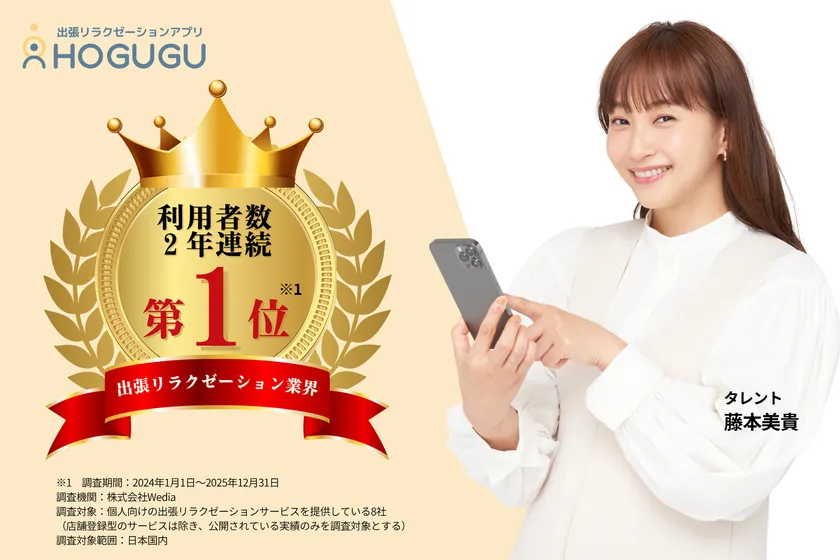
No. 1 in User Base
“Hogugu” is an in-home relaxation service that allows you to search for therapists via a smartphone app or website and have them come to your home, hotel, or any other location of your choice.
● Service Name: In-Home Relaxation Service “Hogugu”
● Service Area: All 47 prefectures in Japan
● Service Locations: Homes, hotel rooms, offices, stores, etc.
● Treatment Menu: Massage, Aromatherapy, Traditional Thai Massage,
Stretching, Foot Care
● Rates: Starting at 5,400 yen for 60 minutes (travel fee included)
● How to Book: 24-hour booking available via the official app or website. Same-day and last-minute bookings accepted
● Number of Therapists: Over 5,800 (as of September 20, 2026)
● URL : https://info.hogugu.com/information/
[HOGUGU Technologies Co., Ltd. Company Overview]
Representative: Kenichi Hanaoka, Representative Director
Website: https://info.hogugu.com/information/
Headquarters: 9th Floor, Toa Building, 4-5-7 Minami-Honmachi, Chuo-ku, Osaka City, Osaka Prefecture
Business Activities: Planning, development, and operation of the “Hogugu” on-site relaxation service
Inquiries: info@hogugu.com
Image
Logo Image

- Category:
- Other
- Genres:
- General Business Other Lifestyles