
<Kyoto University and Manda Fermentation> Researchers have discovered that when plant-derived fermented products are consumed, rare cyclic dipeptides—which are not easily broken down in the stomach or intestines— reach the bloodstream.
万田発酵株式会社

A joint research group from the Graduate School of Agricultural Science at Kyoto University and Manda Fermentation Co., Ltd. conducted experiments in which mice were fed plant-fermented products—created by subjecting multiple plant-based raw materials to long-term fermentation and aging—and discovered that several components, including rare cyclic dipeptides, reached the bloodstream without being broken down by digestive juices.These findings were presented by Tomoko Asai, Assistant Professor at the Graduate School of Agricultural Science, Kyoto University, at the International Society for Nutritional and Functional Foods (ISNFF 2026) conference held on August 4, 2026.
[Key Points of This Presentation]
・Addressing questions regarding the health benefits of plant-based fermented products: While it has long been known that plant-based fermented products contribute to health, it remained unclear exactly which components were reaching the body and how.
・Identification of stable, unique components: Through mouse experiments, the researchers confirmed that components with ring-shaped structures—which, unlike typical components, are not easily broken down in the stomach or intestines—enter the bloodstream after the consumption of plant-fermented products.
・Hopes for daily health promotion: The components found in the bloodstream in this study have been reported to possess various functional properties, such as the activation of immune cells, and thus provide important clues that scientifically substantiate the health benefits of plant-fermented products. [Figure 1]
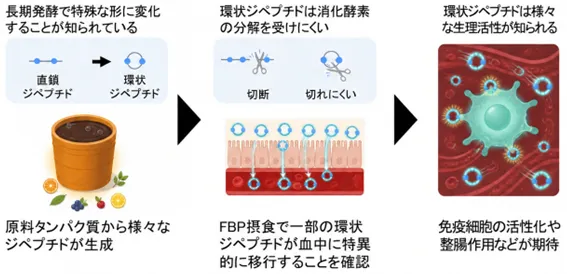
Figure 1. Conceptual diagram of this study
[Research Background and Findings]
[Challenges with Plant Fermentation Products and Peptides]
Plant-fermented products are complex fermented foods produced by fermenting and aging dozens of types of plant-based raw materials—such as fruits, root vegetables, grains, and seaweed—for an extended period (three years or more) using microorganisms such as lactic acid bacteria, without the addition of water.While their health benefits have long been recognized based on empirical evidence, many questions remained unanswered regarding which of the vast array of components—produced by the diverse raw materials and microbial metabolism—actually exert biological effects within the body.
In particular, many of the dipeptides (compounds consisting of two linked amino acids) associated with health maintenance are rapidly broken down by digestive enzymes in the stomach and intestines when ingested orally, making it difficult for them to reach the bloodstream in their original form.
However, in plant-based fermented products, the prolonged microbial fermentation process produces rare dipeptides with ring-shaped bonds that lack molecular ends. This structure makes them less susceptible to the action of digestive enzymes, allowing them to reach the small intestine after ingestion.
It is known that some of these components are absorbed into the bloodstream in the small intestine. Indeed, when the blood of mice was analyzed one hour after administration of plant fermentation products, distinct peaks indicative of multiple cyclic dipeptides and other compounds were clearly observed compared to mice given only water, and the analysis charts confirmed a significant increase in the concentration of these components in the blood. [Figure 2]
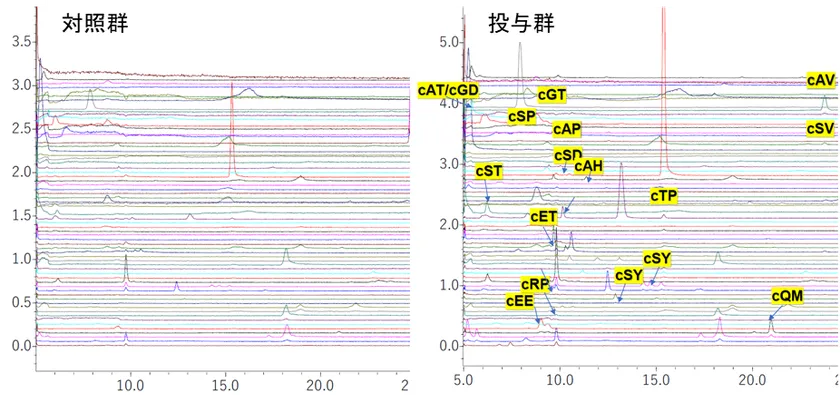
Figure 2. Comparison of peaks for candidate peptides detected in mouse blood
[Future Prospects]
Given that robust dipeptides produced through long-term fermentation have been shown to be absorbed and distributed throughout the body, we will now proceed to further identify each component and aim to elucidate in detail the mechanisms underlying their intestinal regulatory and immunomodulatory effects.
[Glossary]
・Plant-based fermented product: A food ingredient produced in Onomichi City, Hiroshima Prefecture, using a wide variety of plant-based raw materials (fruits, grains, vegetables, seaweed, etc.) that are fermented and aged over a long period through the action of microorganisms. It is presumed that during the fermentation process, nutrients derived from the raw materials are broken down and resynthesized, resulting in the inclusion of numerous unique beneficial trace components.
・Peptides: Substances composed of multiple linked amino acids; they are functional components produced during the breakdown of proteins within the body.
・Cyclic dipeptides: Compounds in which two amino acids are linked in a ring-like structure. Because of their unique, closed-loop shape, they are resistant to breakdown by digestive enzymes.
・Digestive Enzymes: Substances produced naturally in the body that break down proteins and other nutrients ingested through food into smaller components, making them easier for the body to absorb.
[Manda Fermentation Co., Ltd. Company Overview]
Address: (Headquarters) 5800-95 Shigei-cho, Innoshima, Onomichi City, Hiroshima Prefecture
Representative: Yoshinori Matsuura, President and CEO
Established: June 3, 1987 (Showa 62)
Business Activities: Manufacture and sale of health foods and related products
<Corporate Website> https://www.manda.co.jp/
Image

Logo Image

- Category:
- Corporate Trends