
Using AI to Connect Japan’s Cross-Border E-Commerce with the Philippines’ “Job Seekers” Taking on a Crowdfunding Challenge to Expand to a Team of 100 People
Supporting Japanese Companies' Overseas Sales from the Field—Applications Accepted Through October 16
合同会社SBGG

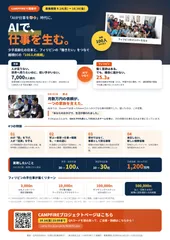
SBGG LLC (Headquarters: Adachi Ward, Tokyo; Managing Partner: Ayako Shinohara) is launching a campaign on the crowdfunding platform “CAMPFIRE” to expand an initiative in which members in the Philippines handle cross-border e-commerce operations (online sales to overseas markets) for Japanese companies online from their location there—increasing the team size from the current approximately 30 members to 100.the company is running a project titled “The Challenge of 100 People: Connecting the Philippines’ ‘Desire to Work’ with Japan’s ‘Desire to Sell Globally’” on the crowdfunding site “CAMPFIRE” starting Monday, September 14, 2026.The fundraising goal is 12 million yen, and the campaign runs through Friday, October 16.
In Japan, where the workforce is shrinking due to a declining birthrate and aging population, an increasing number of small and medium-sized enterprises (SMEs) want to sell their products overseas but lack the personnel to do so. Meanwhile, the spread of generative AI has fueled global anxiety that “AI will take away people’s jobs.”SBGG aims to address both of these challenges by using AI not to reduce the workforce, but as a tool to enable people who previously had limited access to job opportunities to participate in the day-to-day operations of Japanese companies.
“A Challenge by 100 People: Connecting the Philippines’ ‘Desire to Work’ with Japan’s ‘Desire to Sell Globally’” Project Page
https://camp-fire.jp/projects/981878/view
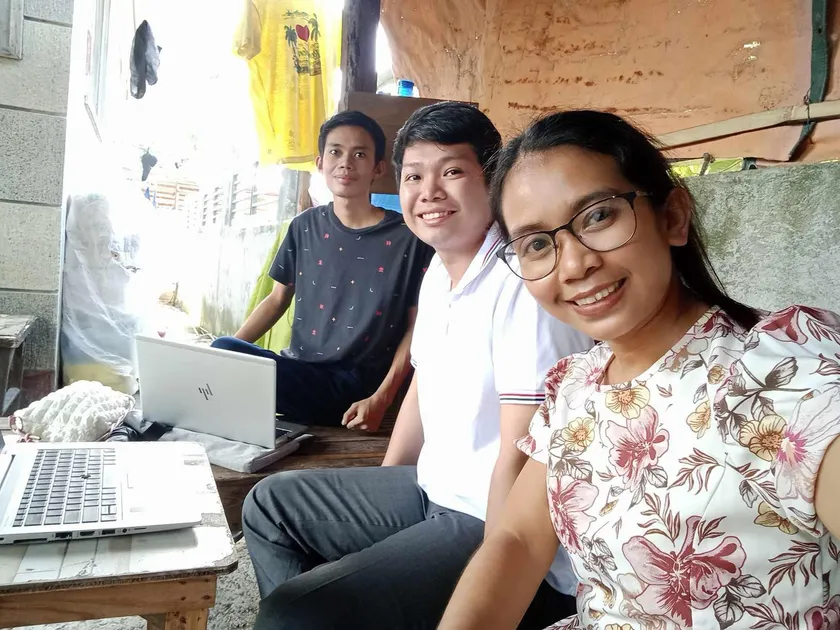
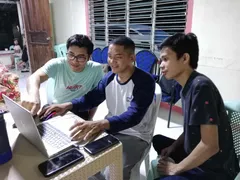
SBGG PH Representative (right) and local team members. Those who once received work are now creating jobs for their peers.
■Background: “Japan, Facing a Labor Shortage” and “The Philippines, Seeking Employment Opportunities”
Japan’s working-age population (ages 15–64) peaked at 87.26 million in 1995 and has continued to decline; it is projected to fall below 70 million by 2032 (*1).With securing talent becoming a key business challenge, there are many companies that, despite being interested in overseas sales, are unable to expand their efforts because they cannot find staff to consistently handle product registration and customer inquiries in English.
The Philippines, on the other hand, is a country with a young demographic profile, where the median age is 25.3 years old (*2). However, there are people who, despite their motivation, are unable to secure stable employment due to factors such as educational background, place of residence, or access to computers and internet connectivity.In the Philippines, where business process outsourcing (BPO) in English is a major industry, there are concerns about the impact of generative AI on employment.
SBGG bridges this gap through a system where AI compensates for barriers related to language, knowledge, and experience, while humans handle decision-making and quality control.
*1 National Institute of Population and Social Security Research, “Future Population Projections for Japan (Reiwa 5 Projections),” median birth (median death) projections
*2 Philippine Statistics Authority (PSA) 2020 Census

Colleagues working together in Lipa City, Philippines
■ The Beginning: A Job Paying Tens of Thousands of Yen a Month Supported an Entire Family
Our initiative began when we met a Filipino woman named Karen on the chat service “Discord” and assigned her small tasks related to work in Japan. At the time, we could only pay her a few tens of thousands of yen per month. Even so, that income supported her family’s livelihood, and Karen told us, “Thanks to you, my life has been saved.”
Later, when SBGG members visited the area, they heard stories from people who had given up on further education to support their families, and from others who couldn’t find work opportunities due to inadequate internet and electricity infrastructure. “If only there were a place for them to learn, they could work too.” That thought was the starting point for this project.
Karen, who took on that small job back then, now leads a team of about 30 people as the representative of SBGG PH and is on the side creating work opportunities for the next generation of team members.
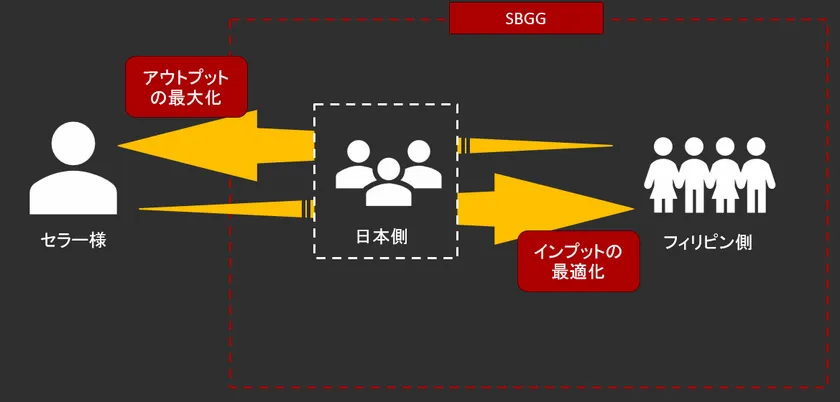
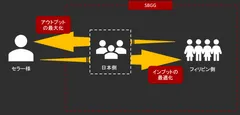
“Divide, organize, and deliver” requests from Japanese companies: SBGG’s system for connecting Japan and the Philippines
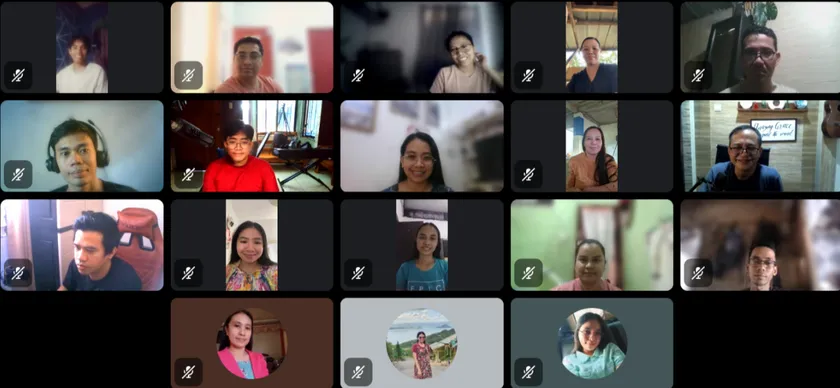
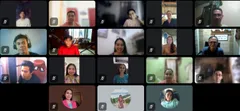
Connecting across borders every day. Team meetings held online with members from all over the Philippines
■Key Features of This Project
* AI breaks down “barriers,” while people ensure “quality”
We develop and refine business apps that use AI to assist with organizing information and drafting English documents, while clearly outlining work procedures. People are responsible for final decisions and quality assurance, creating a system where even those with no prior experience can gain practical skills on the job.
* Integrating “Learning → Training → Work → Compensation” into a Single Path
Participants learn step-by-step—starting with computer basics, digital skills, and how to use AI—then progress to hands-on training where they earn compensation, before moving on to actual work for Japanese companies. We provide the necessary working environment, including approximately 20 computers, as well as internet access and power sources.
* A self-sustaining cycle, not reliant on donations
The fees received from Japanese companies for the work performed serve as both compensation for our members and the funding source for training the next generation of talent. This structure ensures that as Japanese products sell more globally, more jobs are created in the Philippines. Donations are managed separately from regular business funds, and their usage and results are disclosed quarterly.
* International Collaboration in an Era of Population Decline—Without Relocating to Japan
Rather than relocating to Japan, our members support Japanese companies’ overseas sales online from their home country. This is a new form of collaboration that differs from both the hiring of foreign talent and simple outsourcing.
■Comment from the Representative
Ayako Shinohara, Representative Partner, SBGG LLC
“AI is often discussed as a technology that reduces the amount of work people do, but depending on how it’s used, it can also be a technology that broadens access to employment. We have Japanese companies facing labor shortages and people in the Philippines seeking employment opportunities. We aim to demonstrate—not through theoretical plans, but through actual work and compensation—that we can help both sides move forward simultaneously.”
■Future Plans
We will begin by providing training and employment support for 30 people and conducting a pilot program with 10 Japanese companies, aiming to expand to 100 people and 30 companies within 18 months. Cross-border e-commerce is the first pilot sector.In addition to used goods—which have been our primary focus to date—we plan to expand our offerings to include new products and goods from Japanese companies that have not yet entered overseas markets. Furthermore, we intend to apply this system, which uses AI to bridge gaps in experience and background, to business operations beyond cross-border e-commerce in the future.
■ About Rewards
3,000 yen: A thank-you message + activity reports exclusive to supporters (a plan to support us without receiving a physical item)
10,000 yen: Handcrafted knitted tableware accessories from the Philippines
100,000 yen: Set of three items—Gathering Basket (Large), Oval Basket (Medium), and Oval Basket (Small)
500,000 yen: Plan for Corporations and Organizations (Individual consultation on cross-border e-commerce + listing of company or organization name on the project page)
*In addition, we offer Philippine handicraft rewards ranging from 5,000 yen to 300,000 yen, such as capiz shell trays and bamboo trays. Delivery is scheduled for March 2027.
■ Project Overview
Project Name: Connecting the Philippines’ “Desire to Work” with Japan’s “Desire to Sell Globally”:
100 People’s Challenge
Duration: September 14, 2026 (Mon) – October 16, 2026 (Fri) at 11:59 PM
URL: https://camp-fire.jp/projects/981878/view
Fundraising Goal: 12 million yen (All-in method)
<Use of Funds (Total Project Cost: 15.9 million yen)>
Business Application Development: 10 million yen
Staff Training and Establishment of Local Infrastructure: 4 million yen
Reward and Other Expenses : 400,000 yen
Crowdfunding campaign expenses: 1.5 million yen
*The difference of 3.9 million yen from the funding goal will be covered by SBGG’s own funds and future project revenues.
<Numerical Targets (18-Month Plan)>
Number of participants in training and employment support: 30 → 100
Number of companies participating in the pilot program: 10 → 30
Activity Reports: Quarterly + Final Report
■Company Overview
Company Name: SBGG LLC
Representative: Ayako Shinohara, Representative Member
Address: 308, 6-9-3 Umeda, Adachi-ku, Tokyo 123-0851
Established: January 2026
Business Activities: Support for Japanese companies in cross-border e-commerce operations;
platform business, and acting as an agent for Japanese language education services
[Customer Inquiries Regarding This Matter]
SBGG LLC
Email: info@sbgg.jp
Project Page: https://camp-fire.jp/projects/981878/view
Image

Logo Image

- Category:
- Announcements & Recruitment
- Genres:
- Nature & Ecology Education Society(Japan)