
[1,000 Days Since the Noto Peninsula Earthquake] At Temporary Housing in Anamizu Town “Hand-Weaving Workshop (Saori Weaving Experience)” Held
~Let's try something new starting on Day 1,000. It doesn't have to be anything big~
ツナミクラフト

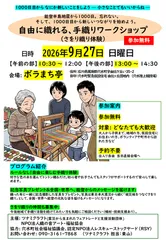
"Tsunami Craft" (Representative: Takashi Higashiyama), a disaster relief organization based in Nishinomiya City, Hyogo Prefecture, that provides support to disaster-affected areas and promotes fair trade activities, and "NPO Ori no Oto Art & Welfare Association Ori no Oto Workshop"(Saitama City, Saitama Prefecture)—an organization that supports employment and creative expression for people with disabilities—will host a “Hand-Weaving Workshop (Saori Weaving Experience)” on Sunday, September 27, 2026, marking the 1,000th day since the Noto Peninsula Earthquake. The event will take place at “Bora Machi-tei” within the temporary housing complex in Anamizu Town, Ishikawa Prefecture, and requires no reservation; participation is free of charge.
More than two and a half years have passed since the disaster, and with numerous major disasters occurring since then, public interest in the Noto Peninsula Earthquake has waned, raising concerns about the isolation of the affected areas. This event carries forward the slogan raised on the 1,000th day after the Great East Japan Earthquake(December 4, 2013, in Miyako City, Iwate Prefecture), and aims to provide an opportunity for people of all ages—from children to the elderly—to interact through weaving and take a new step forward in their daily lives.
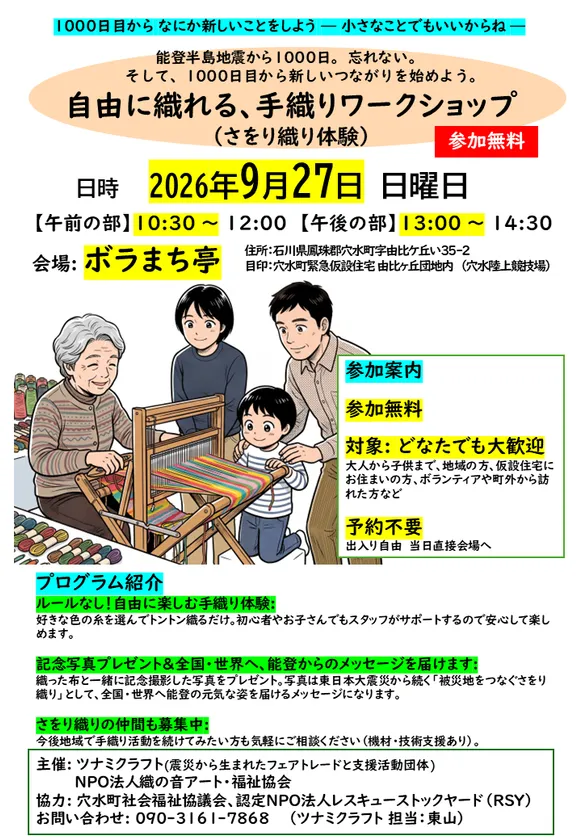
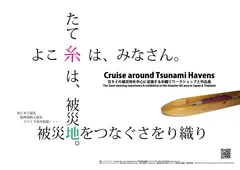
Flyer
[Event Overview]
Event Name: 1,000th Day of the Noto Peninsula Earthquake
Free-Style Hand Weaving Workshop (Saori Weaving Experience)
Date and Time: Sunday, September 27, 2026
[Morning Session] 10:30 a.m.–12:00 p.m. [Afternoon Session] 1:00 p.m.–2:30 p.m.
Venue: Bora Machi-tei
(35-2 Yugigaoka, Anamizu-cho, Hosu-gun, Ishikawa Prefecture 927-0024 /
Inside the Yubigaoka Complex, Anamizu Town Emergency Temporary Housing; Anamizu Athletic Field)
Eligibility: Open to everyone
Residents of temporary housing, disaster victims living at home, local residents, volunteers, etc.
Participation Fee: Free (No advance reservation required; come and go as you please; please go directly to the venue on the day of the event)
Organizers: Tsunami Craft, NPO Ori no Oto Art & Welfare Association
In cooperation with: Anamizu Town Social Welfare Council, Certified NPO Rescue Stockyard (RSY)
[Main Programs]
1. Saori Weaving Workshop
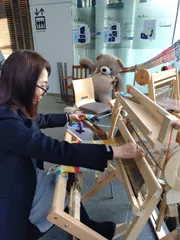
Small Saori looms will be set up, allowing participants to choose their favorite colors of thread and try their hand at weaving. There are no set patterns or templates, so beginners, children, and seniors alike can easily weave with assistance from staff.
2. Commemorative Photos and Sharing Stories Through “Saori Weaving Connecting Disaster-Affected Areas”
We will take photos of participants alongside the fabric they have woven and present them as commemorative gifts. As part of a project that has been ongoing since the 1,000th day after the Great East Japan Earthquake, we will record and share photos and messages that convey the current state of Noto.
3. Consultation Services for Local Independent Hand-Weaving Groups
Rather than limiting this to a one-time event, we accept inquiries from resident groups in the Noto region who wish to continue and independently manage hand-weaving activities in the future, offering consultations on loom rentals and technical support.
[Media Inquiries and Contact Information]
On the day of the event, media coverage, interviews with participants, and photography of the workshop are permitted.
Contact: Takashi Higashiyama, Representative, Tsunami Craft
Phone Number: 090-3161-7868
[Background Information]
1. Why is the event being held on the “1,000th day”?
(1) The Background of the Tagline
“Let’s do something new starting on the 1,000th day—even something small is fine.”
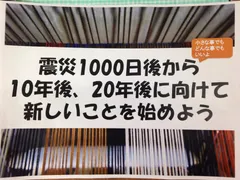
These words were used as a slogan at the hands-on weaving event held in Miyako City, Iwate Prefecture, on December 4, 2013—the 1,000th day since the Great East Japan Earthquake.More than two and a half years had passed since the disaster when this message was first shared. We aim to share that same spirit—which called not only for reflecting on the past but also for “starting new forms of expression or activities, even if small, starting today”—here in Noto as well.
(2) Challenges Faced by Disaster-Affected Areas 3–5 Years After the Disaster
The period from 3 to 5 years after a disaster is generally considered a time when it is difficult to feel a tangible sense of recovery.
・Even though restoration and reconstruction work is not yet complete, emergency relief organizations and volunteers often withdraw, leading to a tendency for connections with the outside world to diminish
• As new natural disasters occur in various regions, society’s overall attention shifts, and residents often feel anxious that “we are being forgotten.”
In light of these circumstances, we will mark the 1,000-day milestone by organizing a gathering within the community to meet face-to-face and provide an opportunity to share the current situation with the outside world.
2. The History of Saori Weaving and Support for Disaster-Affected Areas
Saori weaving is a form of hand weaving pioneered by Ms. Misao Shiro in 1969. Based on the principles of “human-centered weaving that does not imitate machines” and “weaving as one pleases,” it has been utilized at disaster recovery sites both in Japan and abroad.
(1) 1995: Great Hanshin-Awaji Earthquake (Hyogo Prefecture)
When a workshop for people with disabilities in Ashiya City, Hyogo Prefecture, was damaged and completely destroyed by the disaster, “multiple layers of plastic bags containing scraps of thread from the tassels at the edges of fabric” were found among the rubble.
Because the nature of their disabilities made it difficult for them to live in standard designated evacuation centers, they ended up living in a “private evacuation shelter”—a rented apartment building. Saori looms were brought in to provide daytime activities and a sense of belonging for the residents. This marked the beginning of Saori weaving’s involvement in disaster relief.The following year, in 1996, a base was established in Kobe City with the aim of providing mental health support to disaster victims.
(2) 2004: Sumatra Earthquake and Tsunami (Phang Nga Province, Thailand)
In Phang Nga Province in southern Thailand, which was hit by the tsunami, “Ban Muang Camp”—the largest evacuation shelter at the time, housing approximately 3,000 people—had been set up.
Civil servants and young people who were visiting a Thai Buddhist temple in Kanchanaburi for training surveyed the situation of the disaster victims at Ban Muang Camp. Upon hearing many say, “We want to work,” they contacted the Japanese head priest at the temple.
Upon receiving the message, the abbot and his colleagues traveled from Kanchanaburi to Ban Muang Camp with four volunteers. They borrowed a medical tent that was no longer needed for acute care and brought in the Saori looms—which the temple had originally introduced for the young people’s training—to begin their activities.
In February 2007, the “Saori Training Center” was established with grant aid from the Japanese government’s Grassroots Grant Aid program. Products manufactured locally have been certified under Thailand’s One Village, One Product (OTOP) initiative, and these activities continue to this day, 20 years later.
(3) 2011: Great East Japan Earthquake (Sanriku Region, Iwate Prefecture)
・Addressing the Divisions Caused by the Tsunami Line
Along the Sanriku coast, a psychological divide formed between areas affected by the tsunami and those that were spared. This led to a problem where residents from unaffected areas felt apologetic and hesitant to enter the temporary housing communities. Therefore, the Sanriku Saori Weaving Project adopted a format open to everyone, with the aim of helping the community rebuild its sense of togetherness once the town had recovered.
・Youth Social Participation and Visits to Temporary Housing Communities
During the “reconstruction honeymoon period,” community centers in temporary housing complexes were constantly visited by volunteer groups, making it difficult to secure space. Consequently, we installed looms at a support facility attended by young people who had difficulty commuting to school or work—a location we happened to be able to secure.Young people who had mastered the technique worked alongside staff to visit temporary housing complexes and teach elderly residents how to weave, fostering intergenerational exchange. For the young people involved in this activity, five found employment and one got married, making it a stepping stone toward self-reliance.
・15 Years of Continuous Activity
The number of independent groups has grown to a maximum of 15, and the initiative has become firmly established as a local activity, including exhibitions of their work in Ōtsuchi Town, sales to passengers on cruise ships calling at Miyako Port, and hands-on workshops for international tourists visiting Japan.
(4) 2016 Kumamoto Earthquake (Kumamoto Prefecture)
Kumamoto Prefecture has traditionally been home to many practitioners of Saori weaving. When the earthquake struck, local instructors and enthusiasts voluntarily visited temporary housing facilities to conduct workshops aimed at fostering social interaction among disaster victims and providing emotional support.
3. Characteristics of Saori Weaving and Community Development
・A “Failure-Free” Technique
In general hand weaving, unevenness and skipped threads are considered defects, but in Saori weaving, they are treated as individual characteristics and part of the fabric’s unique texture. Since there is no competition based on technical skill, even beginners can participate without pressure and experience a sense of accomplishment.
・Equal Communication
Rather than establishing a clear hierarchy between teacher and student, participants work side by side in the same space, moving their hands as they create and sharing their finished pieces with one another—a dynamic that naturally fosters conversation.
・Multigenerational Participation and Inclusivity
Because we use small, easy-to-operate looms, weaving is accessible to everyone—from children to seniors, regardless of whether they have a disability—allowing participants to share the experience in the same space.
・Group Learning
Saori weaving is a well-established system for group learning. It fosters the creation of creative communities.
・Mental Healing Through Mindful Weaving
Focusing on the act of weaving leads to a state of mindfulness. This state of mindfulness brings emotional healing.
4. Future Initiatives in the Noto Region
This workshop is not intended to be a one-time event; rather, we aim to establish a system that allows for the independent continuation of activities within the community.
・Support for Self-Managed Groups
We will recruit groups of residents in Anamizu Town and the Oku-Noto region who wish to regularly enjoy hand weaving. For interested groups, we will provide looms on loan, arrange for yarn, and offer basic technical support.
・Building Networks Among Groups
Drawing on our experience in Sanriku, we aim to foster relationships where groups formed in each region can interact and share not only hand-weaving techniques but also common regional challenges—such as the transition from temporary to permanent housing and daily living issues—as well as the innovative solutions they have developed.
5. “Sasori Weaving: Connecting Disaster-Affected Areas” (Cruise around Tsunami Havens)
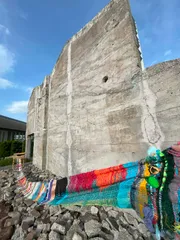
Based on the concept “Warps from disaster-affected areas, wefts from you,” this is a traveling collaborative production project in which people from disaster-affected areas and from around the world work together to weave a single piece of fabric.
In disaster-affected areas such as Iwate, Miyagi, and Fukushima, as well as Phang Nga Province in Thailand, the “warp threads” are set up on looms, and participants gathering at workshops in each location weave in “weft threads” of their choice—in any color or material—one row at a time.
The fabric is never cut into pieces but is wound into a roll, continuing to accumulate as “visualized memories” where people’s prayers, dialogues, and willingness to support one another intertwine.
The project was launched on December 4, 2013, marking the 1,000th day since the Great East Japan Earthquake.The project was launched simultaneously in Miyako City, Iwate Prefecture; Kesennuma City, Miyagi Prefecture; and Fukushima City, Fukushima Prefecture. At a turning point when memories were beginning to fade, the project’s founding principle has been to go beyond mere commemoration of the past and take a new step forward.
Beginning in the Sanriku region, the project has steadily expanded its reach through repeated touring exhibitions both domestically and internationally.
Scale and Achievements:
Total length of over 500 meters; approximately 5,000 cumulative participants; expanded to 22 prefectures in Japan and 4 countries overseas (Thailand, Nepal, the United States, and Hong Kong).
Major Milestones:
December 2013: Launched in Miyako City, Iwate Prefecture.
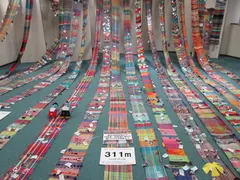
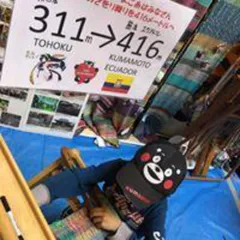
January 2015: Achieved “311 meters” in commemoration of 3.11 in Kobe, marking the 20th anniversary of the Great Hanshin-Awaji Earthquake.
April 2017: Reached commemorative distances for the Kumamoto Earthquake (414 m) and the Ecuador Earthquake (416 m) in Shimonoseki City.
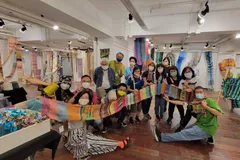
2022: Surpassed 500 meters following an exhibition at the JCCAC (Jockey Club Creative Arts Centre), an arts hub in Hong Kong.
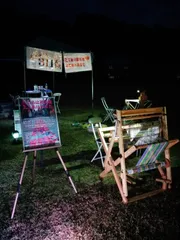
The woven fabric is also being displayed as a symbol of prayer, connecting disaster-affected sites and peace centers across various regions. At “Police Boat No. 813” in Khao Lak, Thailand—a remnant of the tsunami caused by the Sumatra Earthquake—the fabric was displayed as part of a memorial ceremony for the Great East Japan Earthquake. Additionally,it has served as a bridge for sharing memories of disasters and history and fostering solidarity across borders, as seen in “SAORI Peace Weave” at Hiroshima Peace Memorial Park and the “10th Anniversary Ceremony of the Chuetsu Earthquake” in Nagaoka City, Niigata Prefecture.
Major implementation and exhibition sites in Japan and abroad:
https://www.atpress.ne.jp/releases/633528/att_633528_1.pdf
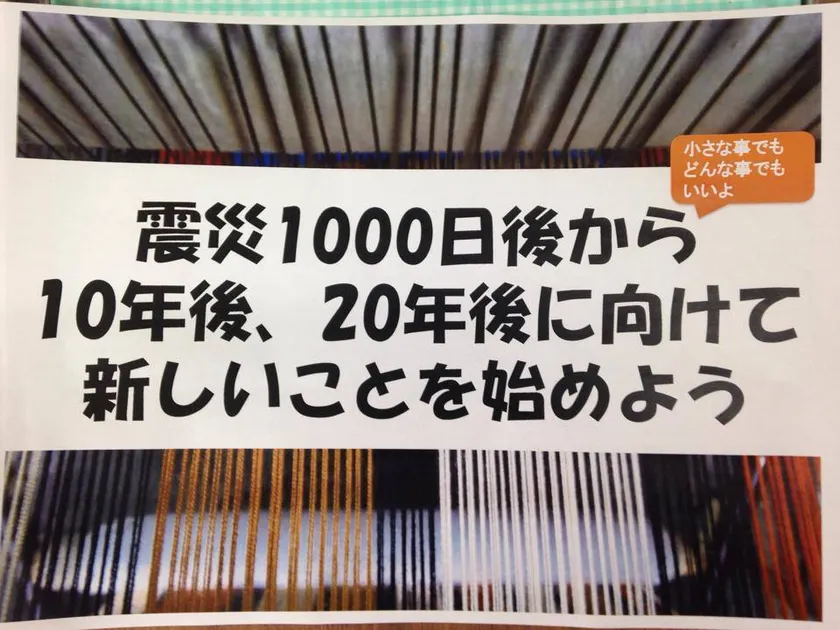
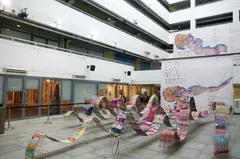
Displayed in Miyako on December 4, 2023, marking the 1,000th day since the Great East Japan Earthquake
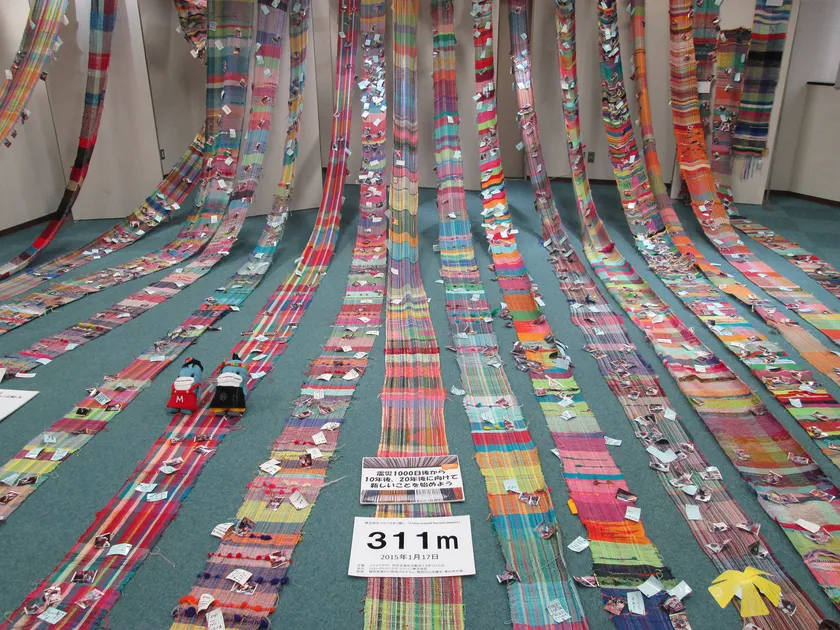
Reached 311 meters in Kobe
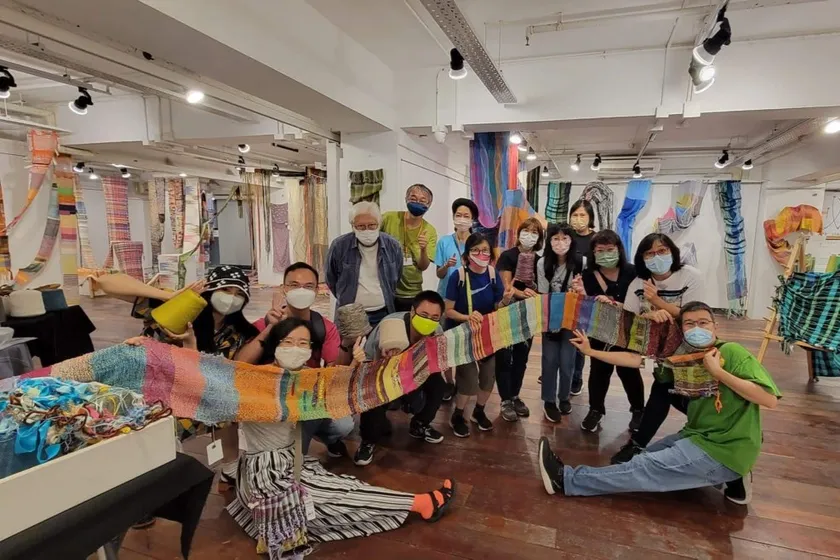
Workshop in Hong Kong during the COVID-19 pandemic
6. Organization Overview
[Organizer]
TSUNAMICRAFT
Location: Nishinomiya City, Hyogo Prefecture
Representative: Takashi Higashiyama, Certified Social Educator
Also serves as a Director of the NPO Saori Hiroba and a Director of the NPO Asia Nariwai Net
Official Website: https://tsunamicraft.asia/
Activities: Disaster recovery support and fair trade initiatives.
Established in response to the tsunami disaster in Thailand. Following the Great East Japan Earthquake,
the organization launched the “Sanriku Saori Weaving Project” and
and has continued to provide support to this day.
NPO Ori no Oto Art & Welfare Association / Ori no Oto Workshop
Location: Saitama City, Saitama Prefecture
Official Website: https://www.orinone.jp/koubou.html
Activities: Support for the independence and employment of people with disabilities through Saori weaving, as well as
operating a community exchange hub.
[In Cooperation with]
Anamizu Town Social Welfare Council: Responsible for promoting community welfare, providing lifestyle support counseling, and offering community support in Anamizu Town.
Certified NPO Rescue Stockyard (RSY): An NGO specializing in disaster relief, established in response to the 1995 Great Hanshin-Awaji Earthquake. It operates community centers in disaster-affected areas and provides long-term support for rebuilding lives.
Image
Logo Image
- Category:
- Announcements & Recruitment