
Toei Shinyaku Reports New Insights into the Immunomodulatory Effects of Outdoor-Cultivated Agaricus brasiliensis KA21
Research Selected as a Distinguished Abstract at the 26th Annual Meeting of the Japanese Society of Anti-Aging Medicine Suggests a Mechanistic Link to Hepatoprotective Activity
Toei Shinyaku Co.,Ltd.

Toei Shinyaku Co., Ltd., (Mitaka, Tokyo, Japan) a leading Japanese manufacturer and researcher of outdoor-cultivated Brazilian Agaricus, announced new research findings on the immunomodulatory effects of outdoor-cultivated Agaricus brasiliensis KA21, the proprietary KA21 strain commercially marketed as King Agaricus KA21. The KA21 strain has been described in scientific publications under the names Agaricus blazei, Agaricus brasiliensis, and Agaricus subrufescens.
The study, entitled "Biodistribution and Immunomodulatory Effects of β-Glucans Derived from the Fruiting Body of Outdoor-Cultivated Agaricus brasiliensis KA21 in Mice," was presented in collaboration with the Department of Immunology, Tokyo University of Pharmacy and Life Sciences. The presentation was selected as a Distinguished Abstract at the 26th Annual Meeting of the Japanese Society of Anti-Aging Medicine.
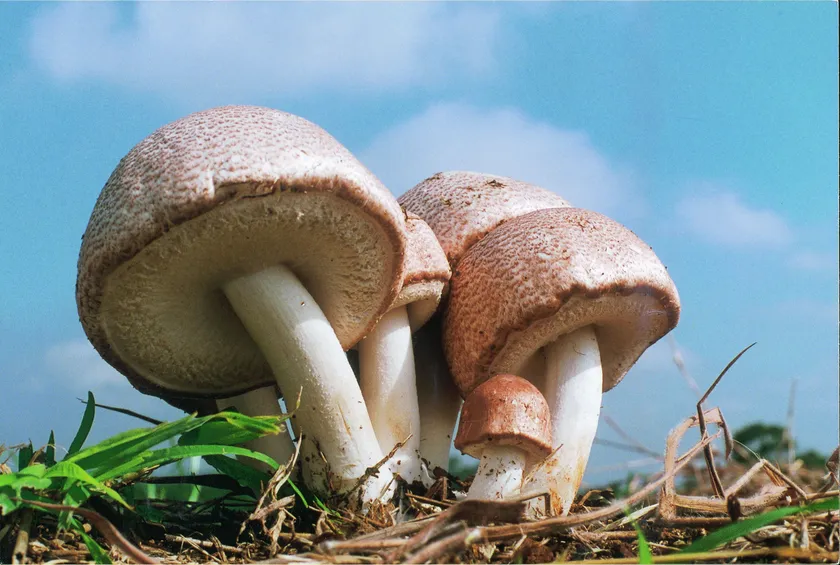
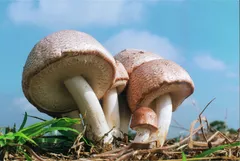
King Agaricus KA21, Outdoor-Cultivated Agaricus brasiliensis KA21
Research Highlights
- Selected as a Distinguished Abstract at the 26th Annual Meeting of the Japanese Society of Anti-Aging Medicine
- Utilized a patented β-glucan quantification technology jointly developed by Toei Shinyaku and Tokyo University of Pharmacy and Life Sciences
- Demonstrated that orally administered β-glucans are partially absorbed and accumulate in the liver
- Suggested a novel immunomodulatory mechanism associated with the hepatoprotective effects of outdoor-cultivated Agaricus brasiliensis KA21
Presentation Overview
Conference
26th Annual Meeting of the Japanese Society of Anti-Aging Medicine
Presentation Title
Biodistribution and Immunomodulatory Effects of β-Glucans Derived from the Fruiting Body of Outdoor-Cultivated Agaricus brasiliensis KA21 in Mice
Presentation Date: June 27, 2026
Presenter
Daisuke Yamanaka, Ph.D.
Department of Immunology, Tokyo University of Pharmacy and Life Sciences
Recipient of the Distinguished Abstract Award
Collaborating Institutions
Department of Immunology, Tokyo University of Pharmacy and Life SciencesToei Shinyaku Co., Ltd.
Venue: PACIFICO Yokohama North
Background
Through previous collaborative research with Tokyo University of Pharmacy and Life Sciences, Toei Shinyaku has reported that outdoor-cultivated Agaricus brasiliensis KA21 exhibits immunomodulatory and antioxidant activities. In addition, studies using a mouse model of acute liver injury demonstrated suppression of liver injury markers, including ALT, AST, and LDH, suggesting potential hepatoprotective effects.
However, the underlying biological mechanisms responsible for these effects had not been fully elucidated.
To further investigate these mechanisms, the researchers employed a patented β-glucan quantification technology jointly developed by Toei Shinyaku and Tokyo University of Pharmacy and Life Sciences to analyze the biodistribution of β-glucans derived from the KA21 strain and to evaluate their effects on immune responses.
Study Results
In this study, β-glucans isolated from outdoor-cultivated Agaricus brasiliensis KA21 were orally administered to mice to evaluate tissue distribution. Their effects on immune responses were further investigated using in vitro experiments.
The study demonstrated that:
- A portion of orally administered β-glucans accumulated in the liver.
- β-Glucans remained detectable in the body for approximately four weeks.
- Activation of the pro-inflammatory transcription factor NF-κB was significantly suppressed (in vitro).
- Expression of the anti-inflammatory regulatory protein IκBα was significantly increased (in vitro).
These findings suggest that β-glucans derived from outdoor-cultivated Agaricus brasiliensis KA21 do not simply stimulate immune activity but may instead modulate immune responses by maintaining immune balance while suppressing excessive inflammatory reactions.
Furthermore, the immunomodulatory mechanism identified in this study may partially explain the hepatoprotective effects of outdoor-cultivated Agaricus brasiliensis KA21 that have been reported previously through collaborative research conducted by Toei Shinyaku and Tokyo University of Pharmacy and Life Sciences.
The present findings provide new scientific evidence linking the immunomodulatory activity of outdoor-cultivated Agaricus brasiliensis KA21 with its potential hepatoprotective effects.
Further research is planned to expand understanding of its immunological and liver-supporting properties and to explore its application as a scientifically supported functional food ingredient for use in healthcare settings and future dietary supplement product development.
About Agaricus
Agaricus is an edible mushroom native to Brazil and widely used as an ingredient in dietary supplements and functional foods worldwide. In scientific publications and commercial literature, it has been referred to as Agaricus blazei, Agaricus brasiliensis, and Agaricus subrufescens.
The nutritional composition and biological properties of Agaricus can vary considerably depending on the strain, cultivation method, and place of origin. Consequently, the quality, composition, and functionality of Agaricus-containing products may differ significantly from one product to another.
About King Agaricus KA21, Outdoor-Cultivated Agaricus brasiliensis KA21
Outdoor-cultivated Agaricus brasiliensis KA21 is Toei Shinyaku's proprietary Agaricus ingredient, developed through more than 30 years of continuous research and development.
The ingredient is commercially marketed under the registered trade name King Agaricus® KA21 and is produced in Brazil using the proprietary KA21 strain, cultivated outdoors under natural sunlight.
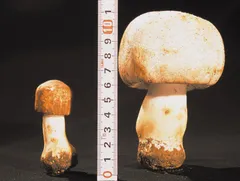
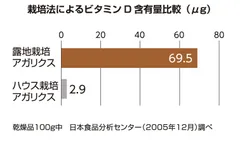
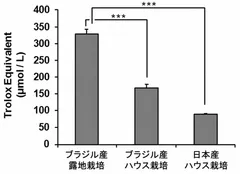
Compared with conventionally greenhouse-cultivated Agaricus grown in dark indoor environments, outdoor-cultivated Agaricus brasiliensis KA21 grows larger and has been shown to contain higher levels of vitamin D and to exhibit greater antioxidant activity.
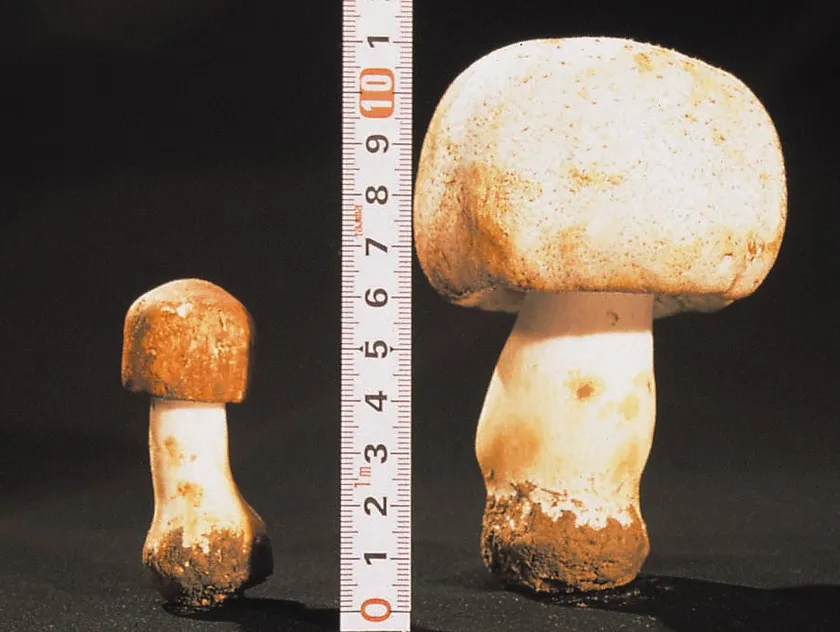
Left: Greenhouse-Cultivated Agaricus
Right: Outdoor-Cultivated Agaricus brasiliensis KA21
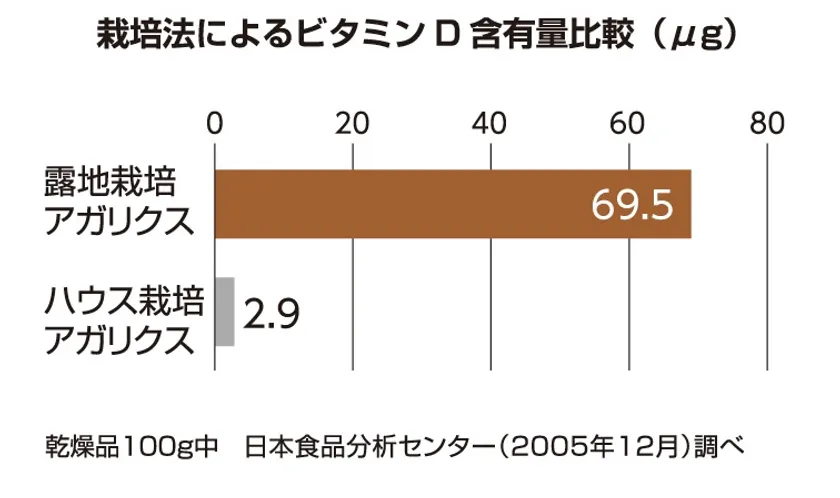
Comparison of Vitamin D Content
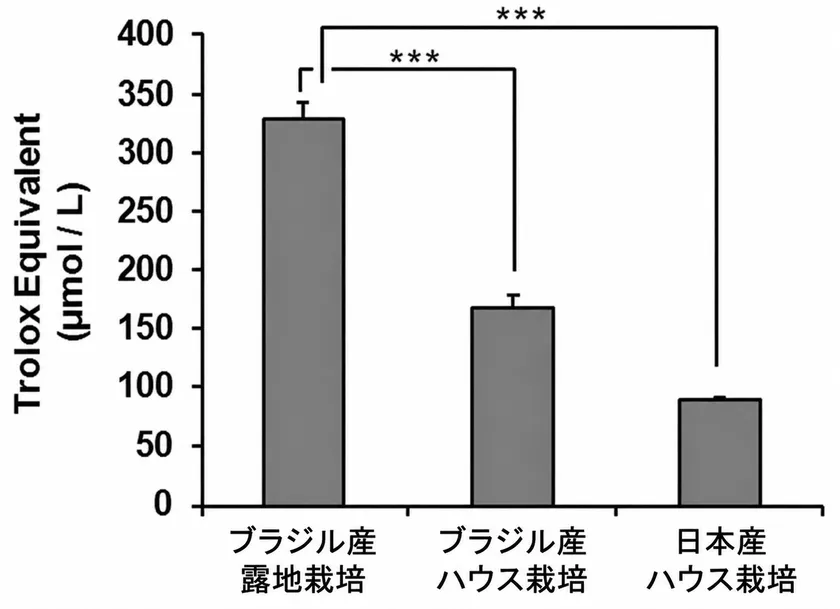
Comparison of Antioxidant Activity
(*1) According to the Japan Food Research Laboratories
(*2) Yamanaka et al. BMC Complementary and Alternative Medicine 2014, 14:454
About Toei Shinyaku Co., Ltd.
Toei Shinyaku Co., Ltd. is one of the world's leading companies dedicated to the research, development, and commercialization of the proprietary KA21 strain of outdoor-cultivated Brazilian Agaricus.
The company's proprietary ingredient is marketed under the registered trade name King Agaricus KA21. The KA21 strain has been described in scientific publications under the names Agaricus blazei, Agaricus brasiliensis, and Agaricus subrufescens.
For more than 30 years, Toei Shinyaku has conducted collaborative research with leading universities and medical institutions. As of June 2026, research on the KA21 strain has resulted in 34 peer-reviewed international publications—one of the largest scientific portfolios among Agaricus manufacturers—as well as six Japanese patents and two U.S. patents.
Collaborative research partners include Azabu University, Keio Research Institute at SFC, the National Center for Geriatrics and Gerontology, Shigakkan University, Juntendo University, the Food Safety Research Center at the University of Tokyo, and the Department of Immunology at Tokyo University of Pharmacy and Life Sciences.
Research findings on the KA21 strain have been published across a broad range of health fields, including immune modulation, autonomic nervous system regulation, sleep, stress, healthy longevity, men's health and late-onset hypogonadism (LOH), gut microbiota (including Akkermansia muciniphila), weight management, hair health, cognitive function, liver health, and cardiovascular health.
Toei Shinyaku continues to collaborate with universities and medical institutions in Japan and internationally to expand the scientific evidence supporting the health benefits of the KA21 strain and to develop new evidence-based applications for human health.
Image
Logo Image

- Category:
- Research & Reports